

Choosing the Right Aluminum Frame for Your Project
Choosing the right aluminum frame for your project is a pivotal decision that can impact the overall durability, functionality, and aesthetic appeal of your final product. Whether you’re building a structure, designing windows, or creating custom pieces for art, the aluminum frame you select can make all the difference. In this guide, we’ll dive deep into the key factors to consider when choosing an aluminum frame, and offer tips on how to make the best decision for your needs.
Aluminum frames are highly versatile, offering a perfect blend of strength, lightness, and resistance to environmental wear. With their growing popularity in various industries, understanding the key features of aluminum frames can help you avoid common pitfalls and ensure your project stands the test of time.
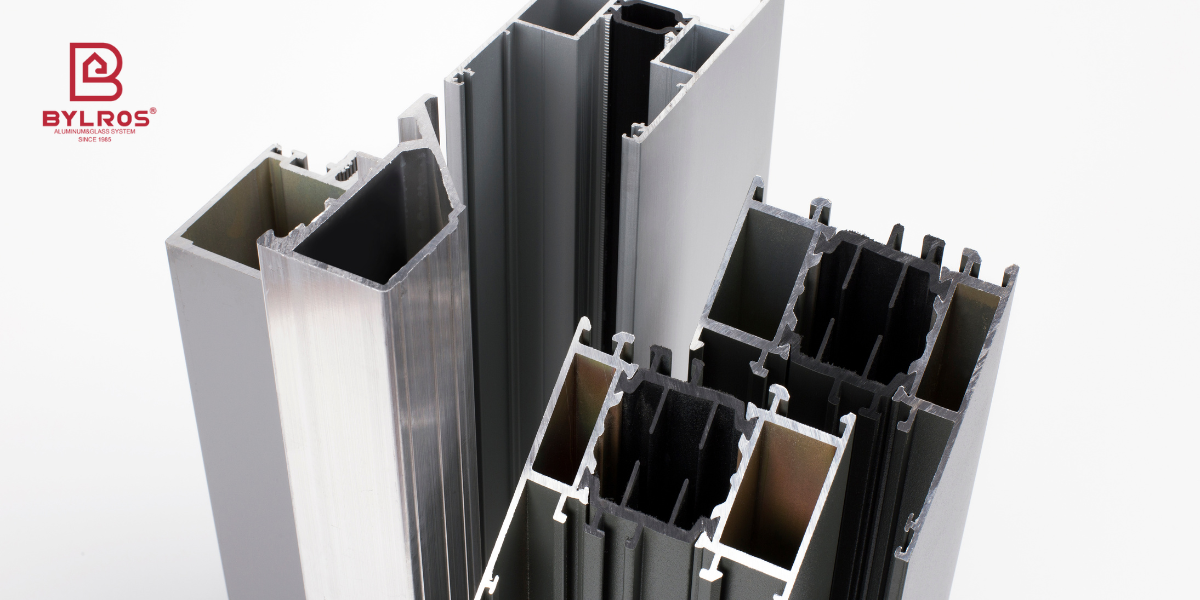
Choosing the Right Aluminum Frame for Your Project
Understanding the Types of Aluminum Frames
When selecting the right aluminum frame for your project, it’s essential to first understand the different types of aluminum frames available. The type of frame you choose will directly influence the strength, weight, and appearance of your finished project.
1.1 Extruded Aluminum Frame
Extruded aluminum frames are created by forcing aluminum through a mold to form a specific shape. This method produces frames that are lightweight yet strong and can be tailored to various sizes and specifications. Extruded aluminum is ideal for projects that require intricate designs, as it allows for custom shapes and sizes. These frames are commonly used in windows, doors, and glass curtain walls.
1.2 Rolled Aluminum Frame
Rolled aluminum frames are produced by rolling aluminum sheets into desired shapes. These frames tend to have a smoother, more uniform appearance compared to extruded frames, making them a popular choice for minimalist designs. Although they may not be as strong as extruded frames, rolled aluminum frames can still offer sufficient durability for projects that don’t require high load-bearing capacity.
1.3 Cast Aluminum Frames
Cast aluminum frames are made by pouring molten aluminum into a mold, resulting in a solid frame with intricate details. This method allows for highly customizable shapes and intricate designs, making cast aluminum ideal for artistic projects and custom applications. However, it is typically more expensive and can be less efficient for mass production.
1.4 Aluminum Alloy Frames
Aluminum alloy frames are composed of aluminum combined with other metals such as magnesium, silicon, or copper to enhance strength and resistance to corrosion. These frames are often used in industries that require frames to withstand harsh environments or high stress, such as in marine or industrial applications.
Key Factors to Consider When Choosing Aluminum Frame
While the type of aluminum frame is crucial, several other factors should guide your selection. Here are some of the most important factors to consider when making your decision:
2.1 Strength and Durability
One of the most critical factors to consider when choosing an aluminum frame is its strength. Depending on the application, the frame may need to support a significant amount of weight or endure environmental challenges such as extreme weather conditions. Be sure to choose an aluminum alloy with a high tensile strength for projects that will be exposed to stress or heavy loads.
For example, for outdoor installations like window frames or doors, you’ll want to ensure the frame is resistant to corrosion, particularly in areas with high humidity or exposure to saltwater.
2.2 Frame Thickness
The thickness of the aluminum frame will directly impact its weight and load-bearing capacity. Thicker frames tend to be stronger and more durable, but they can also increase the overall weight of your project. Thinner frames, while lighter, may not be as strong or resistant to wear. Always match the thickness of the frame to the specific demands of your project.
2.3 Aesthetic Considerations
The aesthetic appeal of an aluminum frame is crucial for design projects, particularly in the architecture and interior design industries. Aluminum frames can be anodized or painted to achieve various finishes, from matte to glossy, and can even be coated in different colors to complement your design vision. Consider the look you want to achieve when choosing an aluminum frame, and select one that aligns with your design aesthetics.
2.4 Cost
Cost is an inevitable consideration for most projects. Aluminum frames come in a wide price range depending on the material, manufacturing process, and the level of customization required. While cast aluminum frames may offer superior design flexibility, they are typically more expensive than extruded or rolled frames. Be sure to balance your budget with your project’s needs to make the most cost-effective choice.
2.5 Ease of Installation
Finally, consider the ease of installation. Some aluminum frames come with features like pre-drilled holes or interlocking mechanisms, making them easier to assemble and install. These features can save time and labor costs, making them a good choice for projects where efficiency is key.
Additional Insights and Tips for Choosing the Right Aluminum Frame
Beyond the primary factors outlined above, there are additional tips and considerations that can help guide your decision when selecting an aluminum frame for your project.
3.1 Environmental Impact
As sustainability becomes more important, many individuals and companies are focusing on choosing environmentally friendly materials. Aluminum is naturally recyclable, making it an excellent choice for eco-conscious projects. By selecting aluminum frames made from recycled materials, you can contribute to reducing waste and minimizing your project’s carbon footprint.
3.2 Customization Options
If your project requires highly specific dimensions or designs, you may want to consider custom aluminum frames. Many suppliers offer the option to create bespoke frames that fit your exact needs.
Custom frames can be designed to integrate perfectly with other materials, such as glass or wood, ensuring a seamless final product.
3.3 Maintenance Requirements
While aluminum is generally low maintenance, certain finishes may require additional care. For example, anodized aluminum frames are highly resistant to corrosion, but over time, they may lose their luster if exposed to harsh chemicals or extreme conditions. Regular cleaning and maintenance are essential to ensure your aluminum frames stay in top condition for years to come.
3.4 Manufacturer Reputation
When purchasing aluminum frames, always work with a reputable supplier. A reliable manufacturer will provide high-quality frames that meet industry standards and offer consistent durability. Researching customer reviews and checking certifications can help ensure that you’re investing in frames that will perform well over time.
Conclusion
Choosing the right aluminum frame for your project is a decision that requires careful consideration of several key factors, from strength and durability to aesthetics and cost. By understanding the different types of aluminum frames available and evaluating your project’s specific needs, you can select the frame that will best suit your requirements.
If you’re still uncertain about which aluminum frame to choose, don’t hesitate to reach out to an experienced supplier or professional for guidance. They can help you navigate the many options available and find the perfect frame for your project.
Ready to start your project? Contact us today to learn more about the best aluminum frames for your needs. Our team is here to help you select the perfect frame to ensure your project’s success.
