

What’s Next for Glass Innovation in Architecture?
Glass has long been a cornerstone of architectural design, offering transparency, light, and elegance. However, as we move further into the 21st century, glass is evolving beyond its traditional roles. Innovations in material science, sustainability, and smart technology are transforming glass into a dynamic, multifunctional component of modern architecture.Wikipedia+13miglass.com+13ArchDaily+13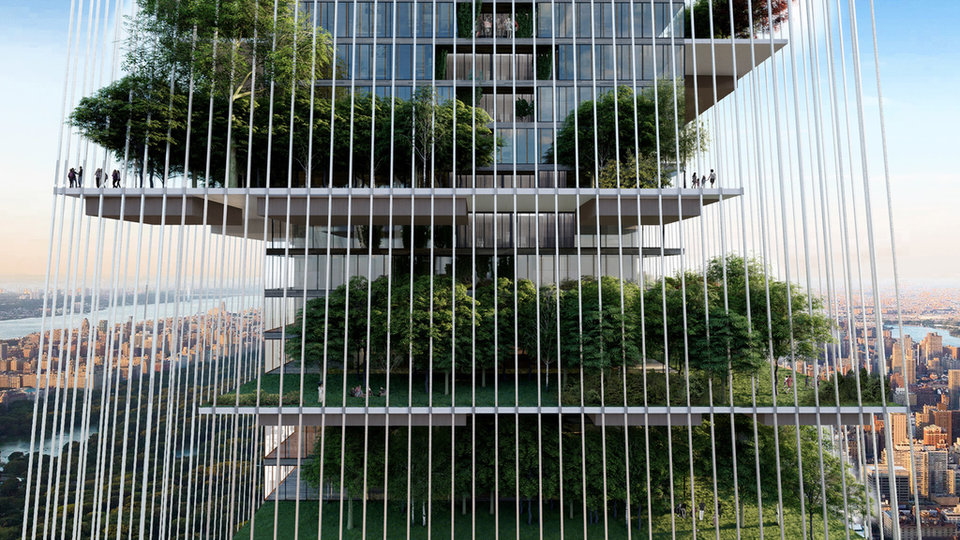
🌟 The Future of Glass in Architecture: Key Innovations
1. Smart Glass: Adaptive Transparency
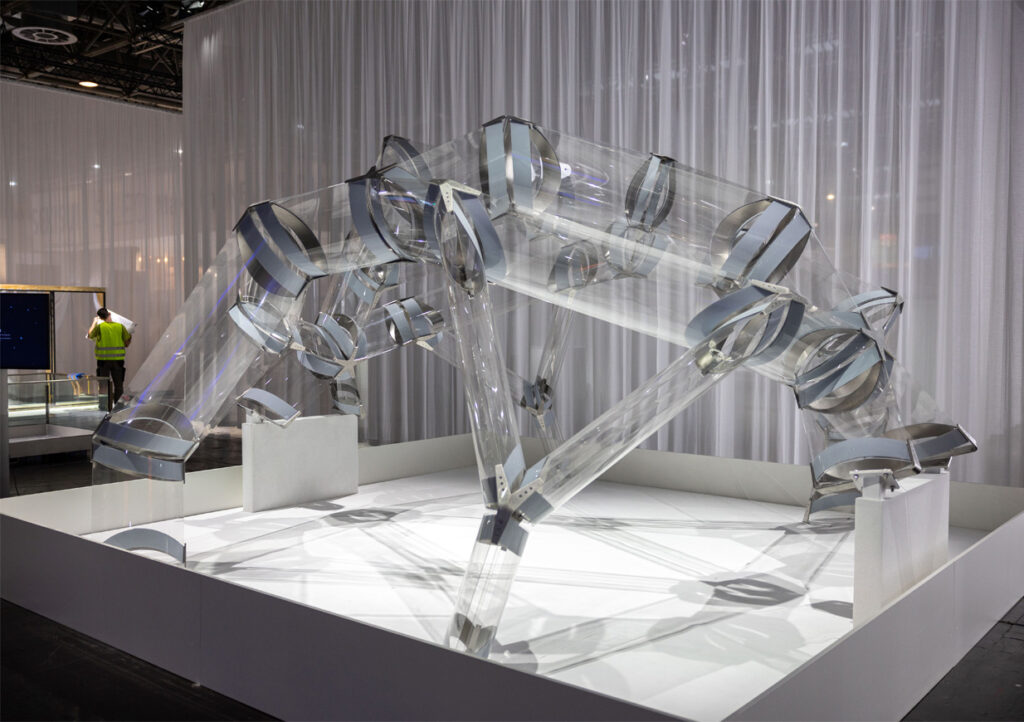
Smart glass technologies are revolutionizing how buildings interact with their environment. These materials can change their properties—such as opacity, color, or thermal insulation—based on external stimuli like light, heat, or electricity. For instance, electrochromic glass can tint automatically in response to sunlight, reducing glare and heat gain, while maintaining natural light levels inside. This adaptability enhances occupant comfort and contributes to energy efficiency by minimizing the need for artificial lighting and cooling systems. Vern’s GlassarXivglassologytech.com
2. Vacuum Insulated Glass (VIG): High-Performance Thermal Insulation
Vacuum Insulated Glass is emerging as a game-changer in energy-efficient building design. By creating a vacuum between two panes of glass, VIG achieves exceptionally low U-values, significantly reducing heat transfer. This technology allows for thinner, lighter windows without compromising on insulation, making it ideal for high-performance facades in both residential and commercial buildings. Glass Magazine+2WFM Media+2talk.build+2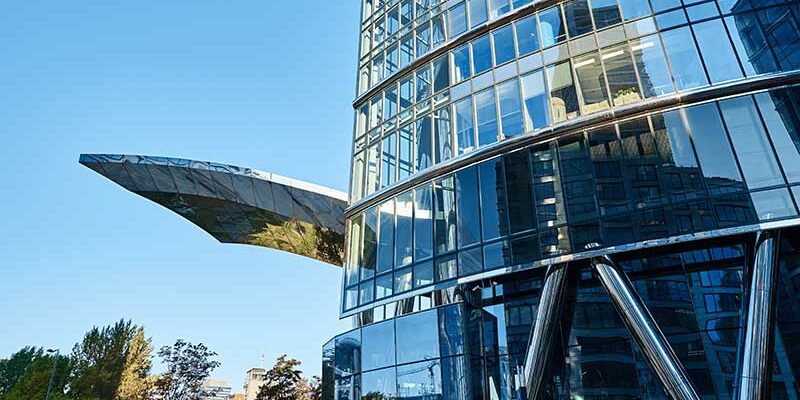
3. Biodegradable and Bio-Based Glass: Sustainable Alternatives
With growing environmental concerns, the development of bio-based glass materials is gaining momentum. These materials utilize renewable resources, such as agricultural byproducts, to produce glass with a lower carbon footprint. For example, researchers are exploring the use of algae and cellulose fibers to create transparent wood composites, which offer both optical clarity and thermal insulation. While still in the experimental stages, these innovations hold promise for more sustainable building practices. talk.buildWikipedia
4. Kinetic and Interactive Glass: Dynamic Building Skins
The integration of kinetic and interactive elements into glass facades is transforming static building envelopes into responsive systems. These dynamic skins can adjust in real-time to environmental conditions, such as temperature, sunlight, and wind, optimizing energy performance and enhancing user experience. Technologies like thermochromic coatings and responsive shading systems are at the forefront of this evolution, enabling buildings to adapt and perform more efficiently. Techni-Glass+1Wikipedia+1
5. Digital Ceramic Printing: Customizable Glass Innovation in Architecture
Advancements in digital ceramic printing are expanding the aesthetic possibilities of architectural glass. This technology allows for high-resolution, full-color designs to be applied directly onto glass surfaces, enabling intricate patterns and textures that were previously difficult or impossible to achieve. From decorative facades to privacy partitions, digital printing offers architects and designers greater creative freedom while maintaining the functional benefits of glass. Wikipedia
🏛️ Real-World Applications: Glass in Modern Architecture
These innovations are not just theoretical; they are being implemented in cutting-edge architectural projects worldwide. For example, the use of smart glass in commercial buildings is enhancing occupant comfort and reducing energy consumption. Similarly, the adoption of VIG in urban facades is improving thermal performance without compromising on design aesthetics. As sustainability becomes a central focus in architecture, the integration of bio-based materials and dynamic building skins is paving the way for more environmentally responsible construction practices.WFM Media
🔍 A Transparent Future of Glass Innovation in Architecture
The future of glass in architecture is poised to be more intelligent, sustainable, and responsive than ever before. As technological advancements continue to push the boundaries of what glass can do, architects and designers have unprecedented opportunities to create buildings that are not only visually striking but also energy-efficient and adaptable to changing environmental conditions. Embracing these innovations will be key to shaping the next generation of architectural design.
