

Green Aluminum: Sustainable Practices in Manufacturing
As sustainability becomes a global priority, industries across the world are taking significant steps toward reducing their environmental footprint. One such industry is aluminum manufacturing. The rise of green aluminum signifies a pivotal shift toward more eco-friendly practices in aluminum production. By focusing on energy efficiency, reducing carbon emissions, and recycling, green aluminum aims to meet the growing demand for sustainable products. This article delves into what green aluminum is, its key aspects, and how it’s transforming the aluminum industry for a more sustainable future.
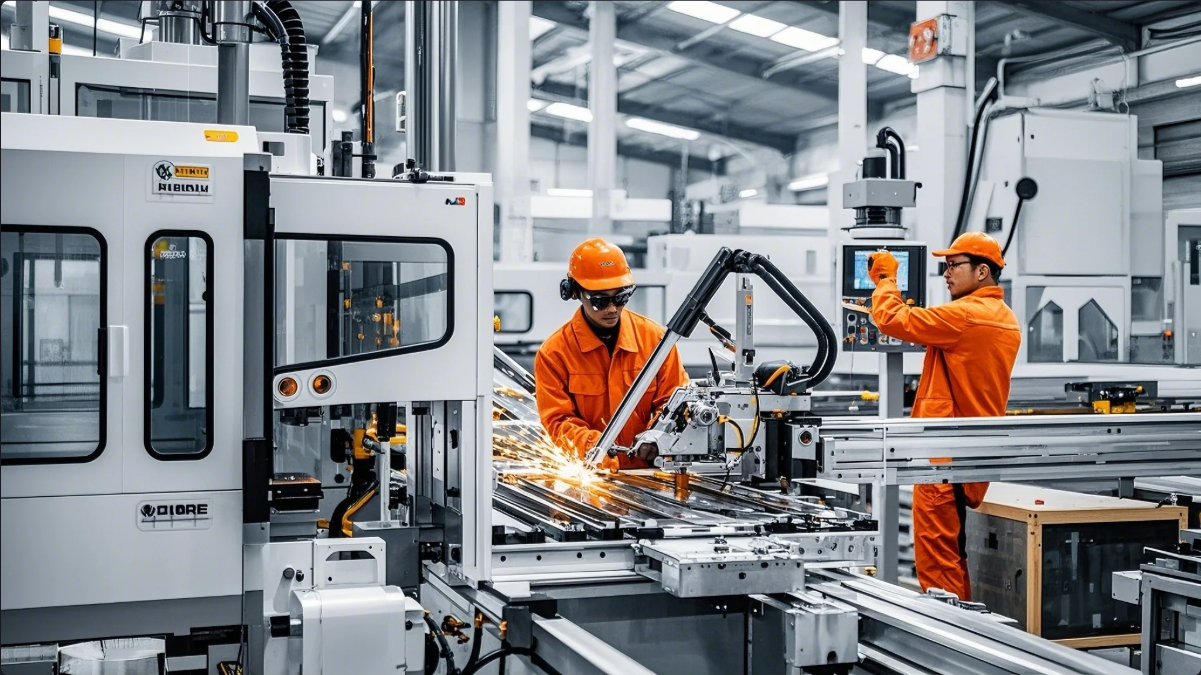
What is Green Aluminum?
Green aluminum refers to aluminum produced with significantly lower carbon emissions compared to traditional methods. The primary goal of green aluminum production is to minimize the environmental impact, focusing on energy efficiency, reducing greenhouse gas emissions, and increasing the recycling rate. Traditional aluminum manufacturing, particularly the Bayer process and electrolysis, requires substantial energy consumption, which contributes heavily to carbon emissions.
Green aluminum aims to address these challenges by:
-
Energy Efficiency: Green aluminum manufacturers utilize advanced technologies to reduce the energy required during the production process. For instance, renewable energy sources like solar or wind power are increasingly being used in aluminum plants to replace conventional fossil fuels.
-
Reducing Carbon Footprint: By adopting cleaner technologies, green aluminum production reduces the carbon emissions typically associated with aluminum production. This includes optimizing the electrolytic process to lower energy consumption and implementing carbon capture and storage (CCS) methods.
-
Using Recycled Materials: Recycling aluminum consumes only about 5% of the energy required for primary production. Green aluminum emphasizes the importance of using recycled aluminum in the manufacturing process, contributing to a circular economy and reducing the demand for raw materials.
The Benefits of Green Aluminum
Adopting green aluminum production methods offers numerous environmental and economic benefits, not only for manufacturers but also for consumers and industries that rely on aluminum. Some of the key benefits include:
-
Lower Environmental Impact:
-
Green aluminum significantly reduces the environmental damage typically associated with traditional aluminum production. By cutting down on energy consumption and emissions, the production of green aluminum helps mitigate climate change, reduces the use of fossil fuels, and lowers air pollution.
-
-
Improved Sustainability:
-
One of the core pillars of green aluminum is sustainability. By relying on recycled aluminum, which requires less energy to process, manufacturers can reduce the environmental burden of extracting and refining bauxite. The recycling process also eliminates the need for harmful chemicals used in primary aluminum production.
-
-
Cost Savings Over Time:
-
While the initial investment in green technologies can be higher, the long-term savings are significant. Green aluminum manufacturing leads to reduced energy costs, minimized waste, and better resource utilization. Additionally, companies that adopt sustainable practices often benefit from favorable government policies, tax incentives, and rebates related to green initiatives.
-
-
Market Demand for Sustainable Products:
-
Consumers and industries are increasingly prioritizing sustainability when making purchasing decisions. Companies that incorporate green aluminum into their supply chains are more likely to appeal to environmentally-conscious customers. Industries like automotive, aerospace, and packaging are particularly driven by sustainability concerns and are actively seeking suppliers who produce green aluminum.
-
-
Job Creation and Technological Advancements:
-
The shift towards green aluminum also encourages innovation and job creation in the sustainability sector. New technologies, including energy-efficient smelting processes and enhanced recycling techniques, are driving the demand for skilled labor and research in green manufacturing.
-
Innovations in Green Aluminum Manufacturing
The future of green aluminum is deeply intertwined with innovation. Here are some notable advancements that are pushing the boundaries of sustainability in aluminum production:
-
Renewable Energy Integration:
-
The integration of renewable energy sources is crucial for reducing the carbon footprint of aluminum manufacturing. Several aluminum producers are incorporating wind, solar, and hydropower into their operations to replace carbon-intensive fossil fuels. For example, Hydro, a global aluminum company, has made substantial progress in utilizing hydroelectric power for its operations, significantly lowering its emissions.
-
-
Hydrogen as a Fuel Source:
- Hydrogen is emerging as a promising alternative to carbon-based fuels in aluminum production. Companies like Alcoa are exploring the use of hydrogen to replace coal and natural gas in their smelting processes. This innovation could revolutionize the industry by eliminating nearly all direct emissions from aluminum manufacturing.
-
Electrolytic Smelting Technology:
- New advancements in electrolytic smelting technologies, such as Elysis, are revolutionizing the industry. This technology uses a new type of anode that eliminates carbon emissions in the production process. Elysis, a collaboration between Alcoa and Rio Tinto, has already demonstrated the potential to create aluminum with zero carbon emissions.
-
Circular Economy and Advanced Recycling:
- The shift towards a circular economy has spurred advancements in aluminum recycling technologies. More efficient sorting and processing methods are now being developed to reclaim aluminum from end-of-life products. High-tech sorting systems using artificial intelligence (AI) and robotics can now separate aluminum from other materials with greater accuracy, improving recycling rates and reducing waste.
-
Green Certification and Standards:
- Several organizations are working to establish green aluminum certifications that help guide manufacturers in adopting best practices. These certifications also give consumers confidence that they are purchasing environmentally-friendly products. Notable certifications, such as the Aluminum Stewardship Initiative (ASI), focus on sustainable practices throughout the aluminum supply chain.
Conclusion
Green aluminum represents the future of the aluminum industry—one that embraces sustainability, reduces environmental impact, and improves efficiency. From utilizing renewable energy and recycling to developing innovative technologies like hydrogen-powered smelting and zero-emission electrolytic processes, the move toward green aluminum is an essential step in meeting global environmental goals.
For businesses in industries that rely on aluminum, making the switch to green aluminum offers the chance to improve sustainability while reaping long-term economic benefits. By adopting green practices, manufacturers can reduce costs, improve their market position, and contribute to a cleaner, greener future.
Interested in learning more about the future of aluminum manufacturing? Explore our resources on sustainable materials and green manufacturing practices today, and join the movement toward a more sustainable world.
