

How to Maintain Glass Facades in Hot Climates
Glass facades are an increasingly popular architectural feature, offering a modern, sleek look that enhances the aesthetic appeal of buildings. However, maintaining glass facades in hot climates presents unique challenges. Exposure to extreme heat, dust, and harsh sun can affect the longevity, clarity, and energy efficiency of glass surfaces. Understanding how to properly care for these facades is essential not only for preserving the building’s appearance but also for optimizing energy performance. In this article, we will explore essential techniques and tips for maintaining glass facades in hot climates, helping you ensure that your investment remains in top condition for years to come.
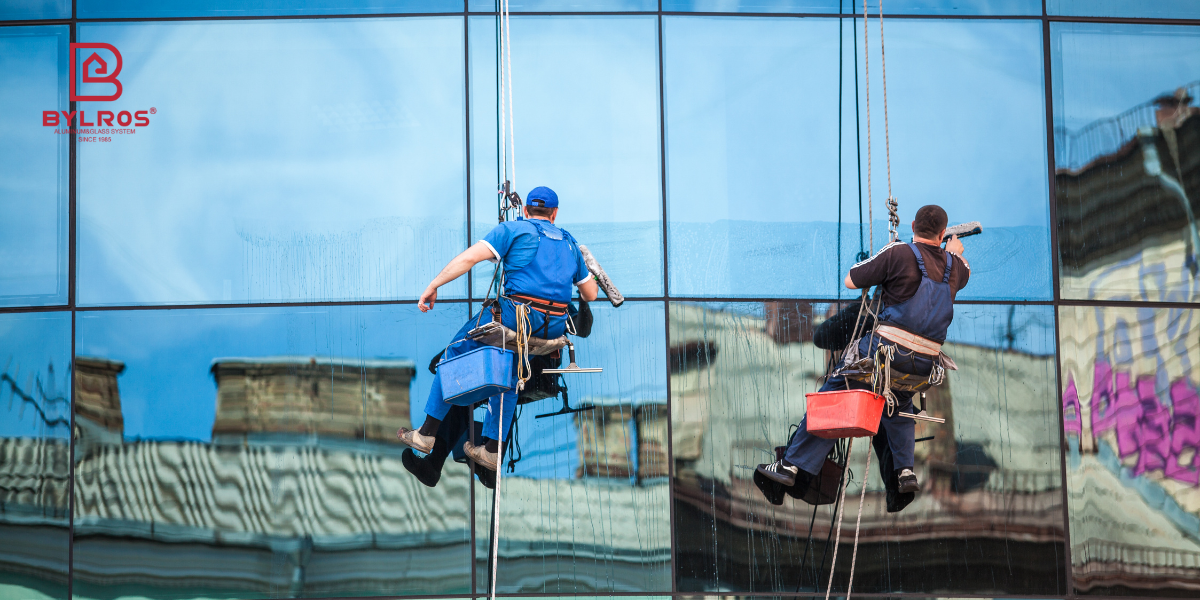
Protecting Glass from Heat Damage
One of the primary concerns for glass facades in hot climates is the intense heat, which can cause thermal stress. Over time, repeated exposure to extreme temperatures can lead to cracks, chips, and discoloration. Proper maintenance starts with preventing heat-related damage.
1.1. Use of Low-E Coatings
Low-emissivity (Low-E) coatings are a popular choice for glass facades in hot climates. These coatings reduce the amount of solar radiation that passes through the glass, effectively controlling the internal temperature of the building. Low-E glass also helps to prevent heat buildup inside the building, which can lead to increased air conditioning costs. The glass can maintain better clarity, prevent fading of interior furnishings, and significantly reduce the thermal load on the building.
1.2. Shading and Tinting
Installing shading systems such as blinds, screens, or overhangs can help protect the glass from direct sunlight. These systems reduce solar heat gain while still allowing natural light to enter. For more permanent solutions, glass tinting can provide additional protection. The right tint can block out harmful UV rays, reduce glare, and lower interior temperatures without compromising the overall aesthetic of the facade.
1.3. Regular Inspections for Cracks and Chips
Thermal stress often leads to the formation of tiny cracks or chips in glass facades. Regular inspections are crucial in hot climates to catch these issues early before they escalate into larger problems. If cracks are identified, repairs or replacements should be carried out immediately to prevent further damage and maintain the structural integrity of the building.
Cleaning and Maintenance to Prevent Stains and Dirt Build-Up
Dust, dirt, and pollutants can accumulate on glass facades, especially in desert-like or industrial environments. This not only affects the visual appeal of the building but can also reduce the glass’s efficiency by blocking natural light and hindering heat control. Cleaning and proper maintenance are key to keeping glass facades in top shape.
2.1. Use Non-Abrasive Cleaning Products
To avoid damaging the glass surface, always use non-abrasive, pH-balanced cleaning products when washing your facades. Avoid harsh chemicals or materials like steel wool that can scratch the glass. Regular cleaning prevents dirt and dust from hardening on the surface and ensures that the glass remains clear and energy-efficient.
2.2. Schedule Routine Professional Cleanings
While occasional DIY cleaning is sufficient for light maintenance, glass facades in hot climates often need professional cleaning services to ensure thorough care. Experienced professionals can safely remove the build-up of dust, grime, and pollutants, preventing permanent staining and keeping the glass looking new. Additionally, they can assess the condition of the glass and recommend treatments for any emerging issues.
2.3. Water Stains and Mineral Deposits
In hot climates, water stains and mineral deposits are common problems. These stains occur when water evaporates off the glass surface, leaving minerals behind. To avoid such build-ups, it’s essential to use water with low mineral content when cleaning. In case stains do appear, use specialized cleaning solutions designed to dissolve mineral deposits and restore the glass’s clarity.
Enhancing Energy Efficiency and UV Protection
Glass facades, while aesthetically pleasing, can contribute to higher energy consumption in hot climates if not maintained properly. Direct sunlight entering through the glass can significantly raise internal temperatures, resulting in increased reliance on air conditioning. By incorporating energy-efficient technologies and UV protection, you can enhance the overall performance of your glass facade.
3.1. Energy-Efficient Glazing
The right glazing plays a crucial role in regulating the temperature inside a building. Double-glazed or triple-glazed windows are excellent choices for hot climates as they provide better insulation, reducing heat transfer and improving energy efficiency. Additionally, these types of glazing systems help maintain a more stable indoor temperature, reducing the strain on air conditioning units and lowering electricity costs.
3.2. UV Protection Films
UV radiation is not only harmful to human health but also to the building itself. Prolonged exposure to UV rays can lead to fading of interior furnishings and damage to the glass. Installing UV protection films on glass facades provides an extra layer of defense against harmful UV rays, preventing fading and keeping the interior environment cool. These films are transparent, so they don’t impact the building’s aesthetic appeal while offering effective protection.
3.3. Smart Glass Technology
An innovative solution for energy efficiency in hot climates is the use of smart glass or electrochromic glass. This technology allows the glass to change its tint or transparency in response to external factors, such as temperature or sunlight intensity. By adjusting the tint, smart glass helps regulate the amount of heat entering the building, enhancing comfort and reducing the need for artificial cooling. While still an emerging technology, smart glass has shown promising results in improving the energy efficiency of glass facades.
Conclusion
Maintaining glass facades in hot climates requires a combination of preventive measures, regular cleaning, and the use of advanced technologies to combat heat, dirt, and UV damage. By protecting the glass from thermal stress, ensuring regular cleaning to prevent stains, and investing in energy-efficient solutions, you can prolong the lifespan of your facade and enhance its energy performance.
If you’re looking to improve the maintenance and energy efficiency of your glass facades, consider consulting with professionals who specialize in hot climate conditions. Learn more about our services and how we can help you preserve the beauty and functionality of your building’s glass surfaces.
For more expert advice on maintaining your building’s glass facades or to schedule a consultation, contact us today! Let us help you create a sustainable, energy-efficient building that stands the test of time.
